AI medical scribe vs answering
AI Medical Scribe vs. AI Medical Answering Service: Which Do You Need?
Many practices search for an AI medical scribe when the real bottleneck is the phone. The two tools solve different problems.
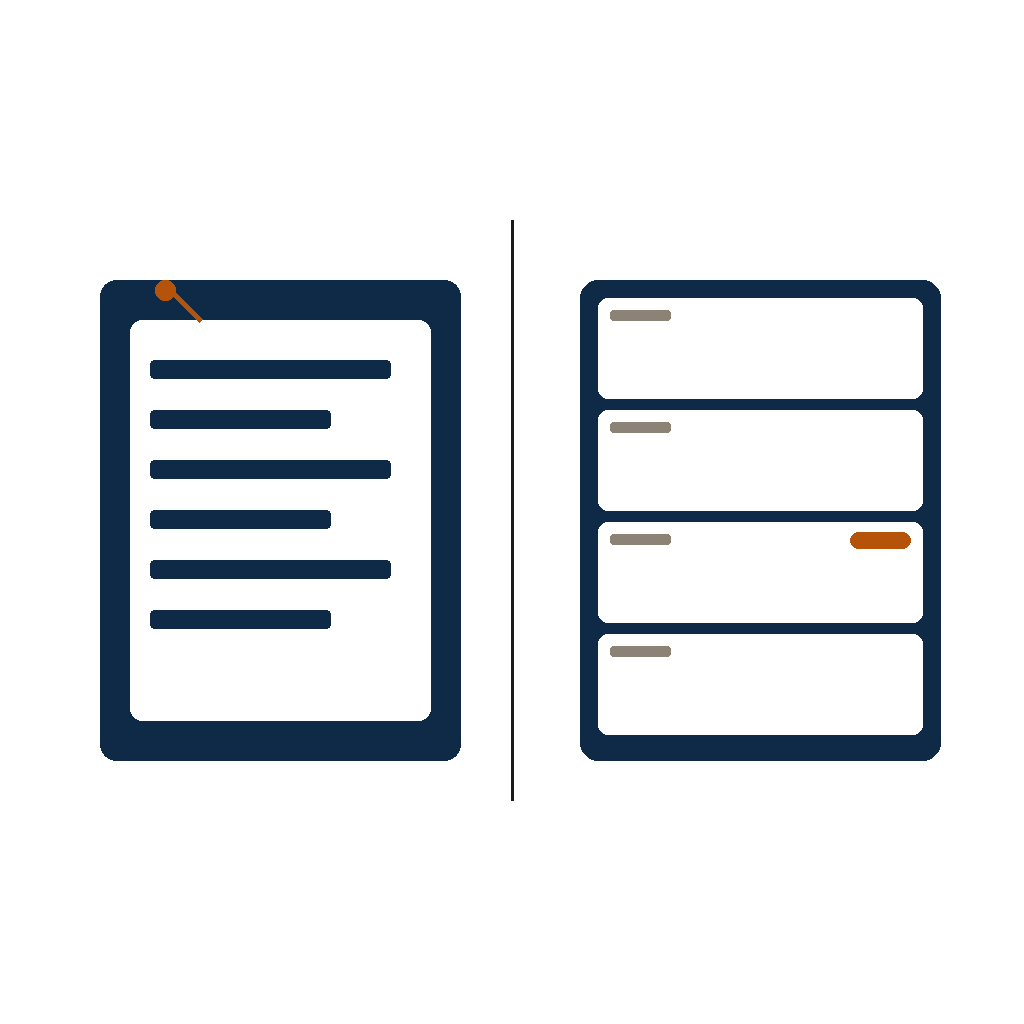
The difference
One works inside the visit. One works before and after it.

AI medical scribe
Captures doctor-patient conversation in the exam room and helps produce visit documentation.

AI medical answering service
Answers calls outside the exam room and creates structured intake for staff action.
Use cases
Pick the tool based on the bottleneck.
| Problem | Better fit | Why |
|---|---|---|
| Doctors chart at night | AI medical scribe | The work happens during or after clinical encounters. |
| Patients leave vague voicemails | DeskMD | The work is phone intake and routing. |
| After-hours urgent calls are inconsistent | DeskMD | The need is answering, escalation, and structured records. |
When to want a scribe
When you actually want an AI medical scribe.
An AI medical scribe is the right answer when the bottleneck is documentation, not phone access.
You chart at night
Doctors finishing notes after the kids are in bed. A scribe captures the doctor-patient conversation in the exam room and drafts a SOAP note. The work is documentation.
Your visit notes are short
If your billing-coding is being downcoded because the visit narrative is too thin, a scribe captures detail you would otherwise type later.
You want eye contact with patients
A scribe handles the screen so you can run the visit. The AI is in the exam room, not on a phone.
You already have a phone solution
If your front desk handles the phone fine but charting is the pain point, a scribe is the right tool.
When to want answering
When you actually want an AI medical answering service.
An AI medical answering service is the right answer when the bottleneck is the phone, not the chart.
Calls go to voicemail after 5 PM
Patients leave a phone number and a vague complaint. Staff plays catch-up the next morning. An answering service captures structured intake while the call is happening.
Lunch + holidays leak calls
Front desk goes to lunch. Holiday closure. Snow day. The phone keeps ringing and your front desk has to triage 35 missed calls Monday.
Spanish + Mandarin callers hang up
English-only voicemail loses LEP patients before you ever know they called. A multilingual AI takes the call in the patient’s language.
After-hours emergencies need triage
A 9 PM call describing chest pain or post-op bleeding has to reach the on-call physician. Voicemail will not.
Side by side
Feature comparison: AI medical scribe vs. AI medical answering service.
| Dimension | AI medical scribe | AI medical answering service (DeskMD) |
|---|---|---|
| Where it runs | Inside the exam room during a visit | On the phone line outside the exam room |
| Who it talks to | The doctor and the patient | The patient calling in |
| Output | A draft SOAP / progress note for the EHR | A structured call card for staff to action |
| Phone coverage | None | 24/7 with after-hours escalation |
| HIPAA + BAA | Required for both, vendors vary | Required — signed customer BAA, AES-256, TLS 1.2+, 6-year audit log |
| Languages | Mostly English; some bilingual support | 20+ at native quality, more best-effort, with English translation in the inbox |
| Pricing | Often per-provider per month | $299/provider/mo Standard, $449/provider/mo Pro |
| Replaces | Manual EHR documentation | Voicemail, after-hours service, or the front desk during overflow |
Pricing comparison
What each one costs.
Most AI medical scribes are priced per-provider per month, similar to DeskMD. The cost decision is usually about which bottleneck hurts more right now — documentation or phone access.
DeskMD pricing is published: $299/provider/month Standard, $449/provider/month Pro, no minute bundles, no per-call charges. Most scribe vendors price in the same range; the comparison is feature-for-feature, not price.
Both?
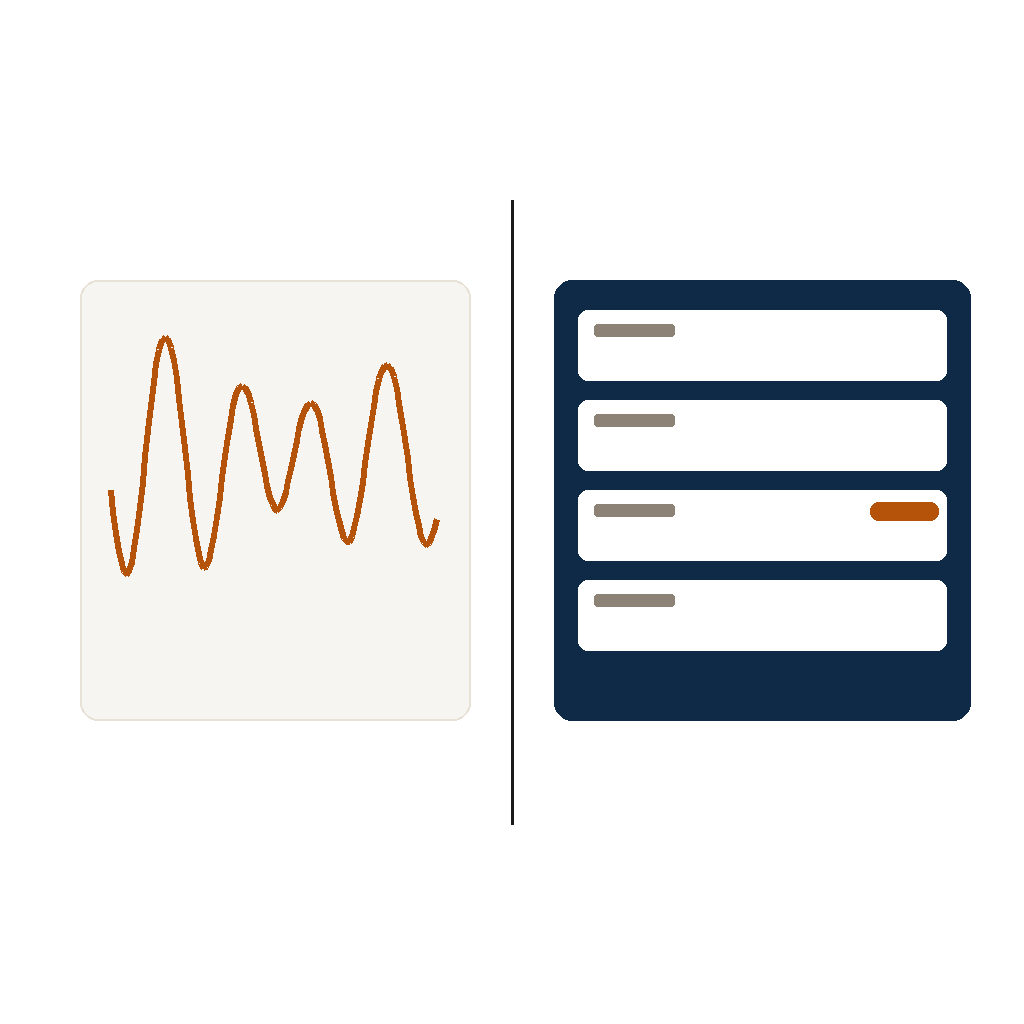
Could a practice want both a scribe and an answering service?
Yes. They solve adjacent problems and stack cleanly: a scribe handles documentation inside the visit, an answering service handles intake before and after the visit. Many practices that already use one are evaluating the other for the second bottleneck.
If you are deciding between the two and can only pick one this quarter, pick the one that fixes the bottleneck that costs you the most patients. Voicemail-driven attrition tends to be invisible until you measure it; documentation-driven physician burnout tends to be visible to the doctor doing it.
Compare DeskMD against a few human alternatives in DeskMD vs. Smith.ai, DeskMD vs. Ruby, and DeskMD vs. AnswerConnect, or read the AI vs. traditional comparison.
When to want a scribe
When you actually want an AI medical scribe.
An AI medical scribe is the right answer when the bottleneck is documentation, not phone access.
You chart at night
Doctors finishing notes after the kids are in bed. A scribe captures the doctor-patient conversation in the exam room and drafts a SOAP note. The work is documentation.
Your visit notes are short
If your billing-coding is being downcoded because the visit narrative is too thin, a scribe captures detail you would otherwise type later.
You want eye contact with patients
A scribe handles the screen so you can run the visit. The AI is in the exam room, not on a phone.
You already have a phone solution
If your front desk handles the phone fine but charting is the pain point, a scribe is the right tool.
When to want answering
When you actually want an AI medical answering service.
An AI medical answering service is the right answer when the bottleneck is the phone, not the chart.
Calls go to voicemail after 5 PM
Patients leave a phone number and a vague complaint. Staff plays catch-up the next morning. An answering service captures structured intake while the call is happening.
Lunch + holidays leak calls
Front desk goes to lunch. Holiday closure. Snow day. The phone keeps ringing and your front desk has to triage 35 missed calls Monday.
Spanish + Mandarin callers hang up
English-only voicemail loses LEP patients before you ever know they called. A multilingual AI takes the call in the patient’s language.
After-hours emergencies need triage
A 9 PM call describing chest pain or post-op bleeding has to reach the on-call physician. Voicemail will not.
Side by side
Feature comparison: AI medical scribe vs. AI medical answering service.
| Dimension | AI medical scribe | AI medical answering service (DeskMD) |
|---|---|---|
| Where it runs | Inside the exam room during a visit | On the phone line outside the exam room |
| Who it talks to | The doctor and the patient | The patient calling in |
| Output | A draft SOAP / progress note for the EHR | A structured call card for staff to action |
| Phone coverage | None | 24/7 with after-hours escalation |
| HIPAA + BAA | Required for both, vendors vary | Required — signed customer BAA, AES-256, TLS 1.2+, 6-year audit log |
| Languages | Mostly English; some bilingual support | 20+ at native quality, more best-effort, with English translation in the inbox |
| Pricing | Often per-provider per month | $299/provider/mo Standard, $449/provider/mo Pro |
| Replaces | Manual EHR documentation | Voicemail, after-hours service, or the front desk during overflow |
Pricing comparison
What each one costs.
Most AI medical scribes are priced per-provider per month, similar to DeskMD. The cost decision is usually about which bottleneck hurts more right now — documentation or phone access.
DeskMD pricing is published: $299/provider/month Standard, $449/provider/month Pro, no minute bundles, no per-call charges. Most scribe vendors price in the same range; the comparison is feature-for-feature, not price.
Both?
Could a practice want both a scribe and an answering service?
Yes. They solve adjacent problems and stack cleanly: a scribe handles documentation inside the visit, an answering service handles intake before and after the visit. Many practices that already use one are evaluating the other for the second bottleneck.
If you are deciding between the two and can only pick one this quarter, pick the one that fixes the bottleneck that costs you the most patients. Voicemail-driven attrition tends to be invisible until you measure it; documentation-driven physician burnout tends to be visible to the doctor doing it.
Compare DeskMD against a few human alternatives in DeskMD vs. Smith.ai, DeskMD vs. Ruby, and DeskMD vs. AnswerConnect, or read the AI vs. traditional comparison.
FAQ
AI medical scribe vs answering service questions.
Is an AI medical scribe the same as an AI receptionist?
No. A scribe listens during the clinical visit. DeskMD answers phone calls outside the exam room.
Does DeskMD write clinical notes?
No. DeskMD creates answering-service records, not EHR documentation.
Compare further
Related comparisons + alternatives.
DeskMD vs. Smith.ai · DeskMD vs. Ruby Receptionists · DeskMD vs. AnswerConnect · Virtual receptionist · Pricing
Stop missing calls. Start sleeping at night.
Give patients a real answer after hours and give your team a clean record in the morning.