Practice ROI
What missed patient calls really cost your practice.
The cost of missed patient calls is easy to ignore because it never shows up on an invoice — it leaves as a voicemail no one returns. This is a plain-English look at the math, and how 24/7 AI answering with structured intake recovers calls you are losing today.
Where the money leaks
Missed calls at a medical practice are lost revenue you never see.

The new patient who never calls back
A ring that goes to voicemail after hours often means the caller dials the next practice on the list instead of leaving a message.
The lunch-hour and holiday gaps
Calls do not wait for staffed hours. The ones that land while the front desk is out are the ones most likely to be lost entirely.
The vague voicemail tax
Even answered messages cost you if they lack the reason, urgency, and callback details staff need to act without playing phone tag.
The lifetime value that walks
A single missed new-patient call is not one visit — it is the cleanings, follow-ups, and referrals that patient would have brought over years.
The math, illustrated
A simple worked example of lost revenue from missed calls in healthcare.
Industry write-ups on medical and dental front desks suggest a meaningful share of inbound new-patient calls go unanswered — and that many callers never call back. We do not publish our own precise figure here. Instead, use the formula below with numbers from your own phone logs. The values in the table are illustrative placeholders, not DeskMD data.
| Input (illustrative) | Example value |
|---|---|
| New-patient calls per week | 50 |
| Share unanswered (illustrative) | 25% |
| Missed calls per week | 50 × 25% = 12.5 |
| Average value of a new patient | $500 |
| Revenue at risk per week | 12.5 × $500 = $6,250 |
| Revenue at risk per year | ≈ $325,000 |
Formula: weekly call volume × missed % × average new-patient value = revenue at risk. Every figure above is a placeholder to show the shape of the math. Swap in your real call volume, your realistic conversion assumptions, and your average patient value — and remember not every missed call would have converted, so treat the result as an upper bound to investigate, not a guaranteed loss.
How you recover it
24/7 AI answering turns missed patient calls into structured records.
DeskMD answers every call around the clock — after hours, at lunch, and during the overflow your team cannot reach. It follows your plain-English instructions, captures the caller, reason, urgency, provider, and callback details, and delivers a structured card instead of a vague voicemail. Emergency language is flagged and your team is notified by SMS and email, so the calls that matter most do not sit until morning.
The point is not to answer more calls for their own sake. It is to convert the after-hours ring into something your front desk can act on the moment they sit down — which is exactly where the recovered revenue in the table above comes from.
What structured intake changes
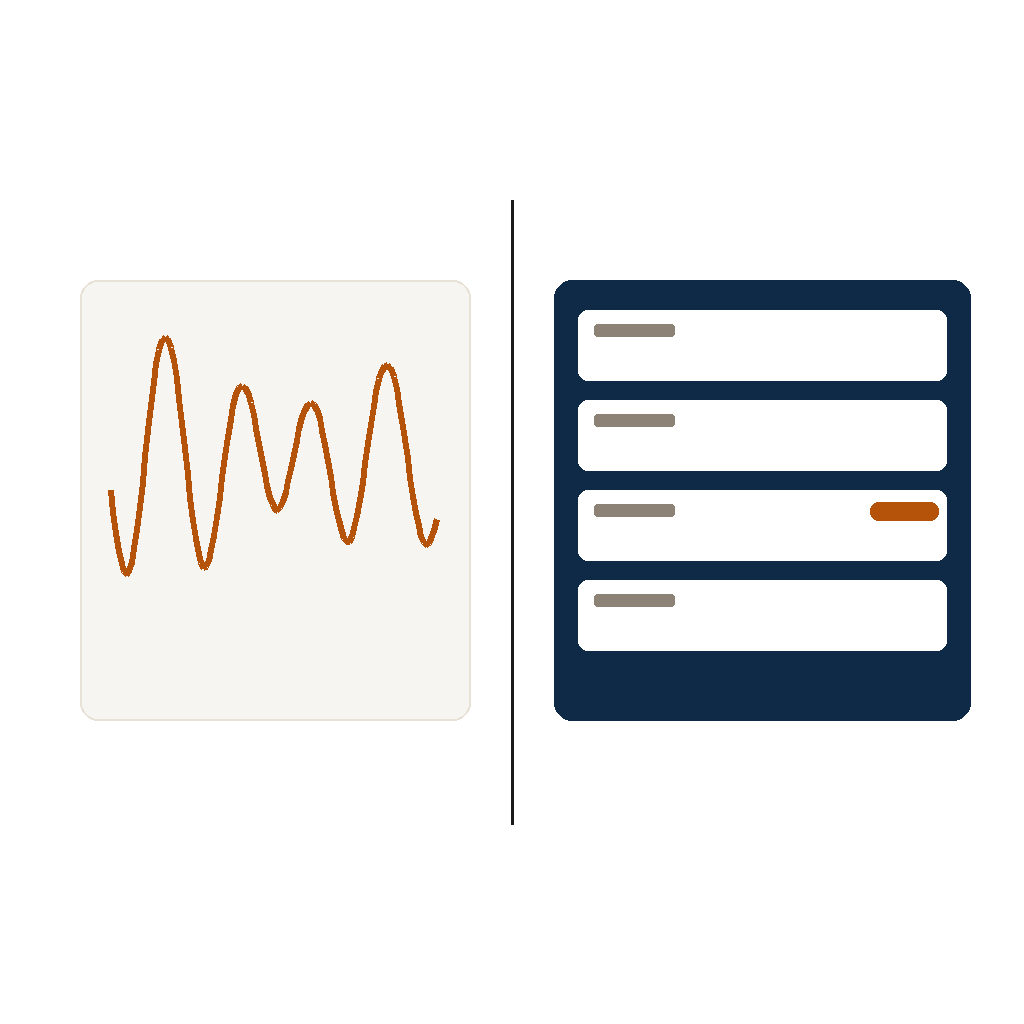
Fewer missed calls, and better records for the ones you answer.
Every call answered, day or night
DeskMD picks up 24/7 so an after-hours new-patient call becomes a captured lead instead of a caller who dials the next practice on their search results.
Details your staff would have asked
Because intake follows your own written instructions, the morning card already has the reason, urgency, insurance, and callback window — no phone tag to reconstruct it.
Per-provider routing
DeskMD detects the provider the caller asked for and routes the message to the right person, so multi-provider practices do not lose calls in a shared voicemail box.
Emergencies surfaced, not buried
Calls with emergency language are flagged and pushed to your team by SMS and email. DeskMD is not a 911 replacement — it makes sure urgent messages reach a human fast.
HIPAA compliant with a signed BAA
Intake is handled under a signed Business Associate Agreement with inbox redaction, so recovering revenue never means loosening your compliance posture.
Flat, predictable pricing
Per-provider per-month pricing with no per-minute or per-call fees, so the more calls DeskMD recovers, the better the return — your bill does not spike with volume.
Pricing
Per-provider pricing for the practice.
Standard
For English-only practices
$0 setup. 14 days free, cancel anytime. 15% annual discount.
- Unlimited calls (fair-use)
- Per-provider auto-detection + inbox redaction
- Structured intake from plain-English instructions
- Emergency flagging by SMS + email
- Provider vacation coverage with locum access
- HIPAA compliant + signed BAA
- English-only answering
- 365-day recording retention
- Email support, 48-hour SLA
Pro
For specialty and multi-provider practices
$0 setup. 14 days free, cancel anytime. 15% annual discount.
- Everything in Standard
- Conditional intake instructions for common call types
- Business-hours and after-hours greeting/tone
- Practice vocabulary hints
- 1,825-day (5-year) recording retention
- 20+ languages with English translation
- Custom escalation rules
- Advanced analytics
- Priority support, 24-hour SLA
5+ providers? We offer custom plans — contact sales. No published volume discount applies to Standard or Pro.
FAQ
Cost of missed patient calls: common questions.
How do I estimate the cost of missed patient calls?
Multiply your weekly call volume by the share of calls that go unanswered by the average value of a new patient. For example, 50 calls × 25% missed × $500 ≈ $6,250 per week at risk. Use your own numbers — the values here are illustrative, not DeskMD data.
Why are missed calls at a medical practice such a big deal?
Many callers who reach voicemail do not leave a message or call back — they contact the next practice. A single missed new-patient call is not one visit but the follow-ups and referrals that patient would have brought over time, which is why lost revenue from missed calls in healthcare compounds.
How does DeskMD reduce missed patient calls?
DeskMD answers 24/7, including after hours and lunch gaps, and captures structured intake from your plain-English instructions. Instead of a vague voicemail, your team gets a card with caller, reason, urgency, provider, and callback details.
Can it book the appointment so the call actually converts?
DeskMD captures the appointment request and urgency so your front desk can convert it without re-asking. Calendar booking with Google or Calendly is available as a paid add-on for caller-confirmed times. It does not write back to your EHR or PMS.
How are emergencies handled?
DeskMD flags emergency language and notifies your team by SMS and email. It is not a 911 replacement and does not give medical advice.
What does DeskMD cost?
Standard is $299/provider/month (English-only) and Pro is $449/provider/month with 20+ languages. $0 setup, 14-day free trial, 15% annual discount, and no per-minute or per-call fees. Practices with 5+ providers can contact sales.
Compare further
Related comparisons + alternatives.
After-hours coverage · HIPAA + signed BAA · Virtual receptionist · Pricing
Stop paying the missed-call tax.
Run your own numbers, then let DeskMD answer 24/7 and turn after-hours calls into records your team can act on.